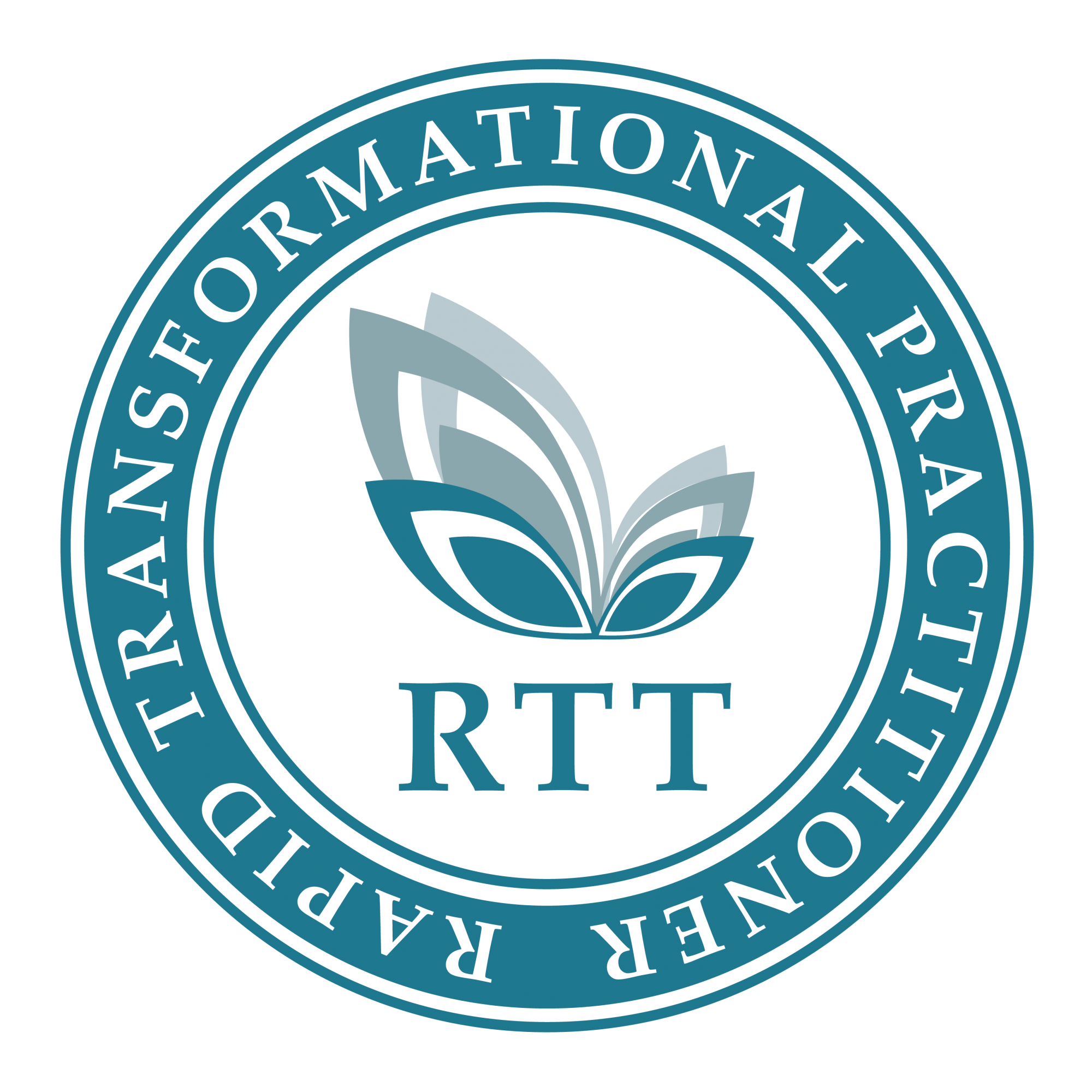
Every person is different. I draw on a range of evidence-informed approaches — EFT, hypnotherapy, and Reiki — to create something that genuinely fits you, your age, your needs, and where you are right now.
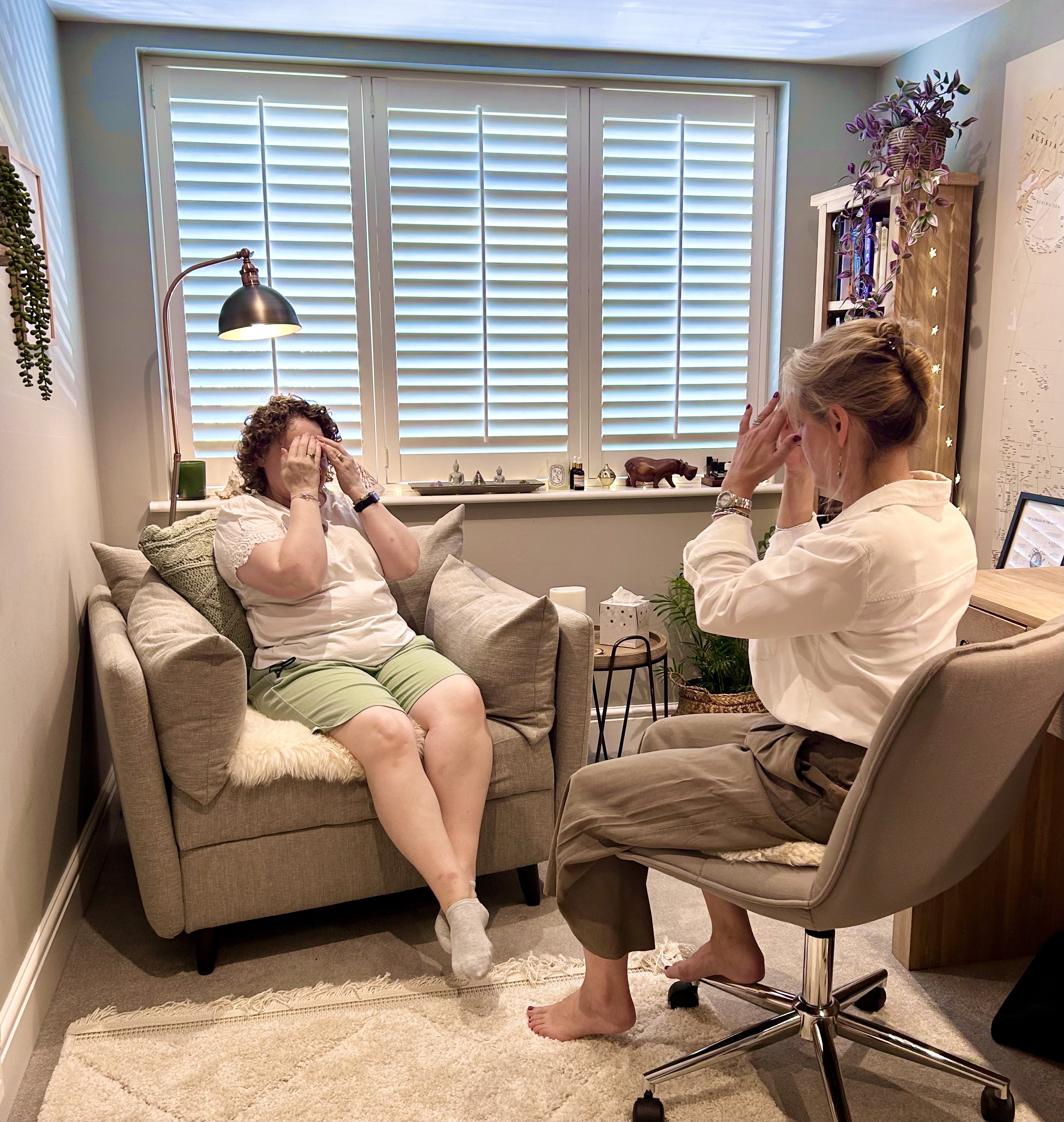
Emotional Freedom Technique — commonly known as EFT or tapping — is a gentle, non-invasive practice that combines elements of acupressure and psychology. By tapping on specific points on the body while focusing on a thought, feeling or memory, it helps to reduce the emotional intensity around it — often quickly and durably.
EFT is one of the most versatile tools I use. Its application shifts depending on who I'm working with — a young child, a teenager, or an adult — but the underlying principle is the same: giving you a concrete, body-based technique you can use independently, whenever you need it.
Children often respond to EFT faster than adults. With fewer preconceived ideas and less accumulated emotional weight, they tend to shift quickly. With younger children I frequently turn tapping into a game, and for very young children it can be adapted to use on a stuffed animal, or I can tap on their behalf — a practice known as surrogate tapping.
For teenagers, tapping offers something particularly valuable: an active, physical tool they can use on their own. It directly addresses the desire for independence and self-sufficiency that defines adolescence — giving them something real they can reach for under pressure.
For adults, EFT can reach into deeper layers — processing trauma, hidden memories, phobias, chronic stress, grief, pain, and anxiety — in a way that feels manageable rather than overwhelming.
EFT works by stimulating specific acupressure points on the face and body through gentle tapping, while simultaneously holding a thought, feeling or memory in mind. This combination appears to send a calming signal to the amygdala — the brain's threat-response centre — reducing the emotional charge attached to that thought or memory. Research by scientists including Dr Peta Stapleton and Dr Dawson Church has demonstrated measurable reductions in cortisol (the stress hormone) and changes in brain activity following EFT. A typical sequence involves a setup statement (acknowledging the issue while offering self-acceptance), followed by tapping through a series of points while speaking to the feeling or belief.
Rapid Transformational Therapy (RTT) is a pioneering therapeutic approach developed by Marisa Peer over 30 years of clinical practice. It combines the most effective principles of hypnotherapy, psychotherapy, NLP, CBT, and regression work into a structured method designed to create deep, lasting change — often more quickly than traditional talking therapies.
RTT works by accessing the subconscious mind — where our beliefs, emotional patterns, and automatic responses are stored. In a session, you enter a deeply relaxed, focused state that allows us to go beneath the surface and identify the root causes of what you're experiencing. Rather than simply managing symptoms, we work to understand and reframe the beliefs formed earlier in life that are driving current patterns and behaviours.
Each session includes a personalised transformation recording — a bespoke audio created specifically for you — which you listen to daily for 21 days after your session. This reinforces the new beliefs and perspectives at a subconscious level, supporting lasting neurological change.
Unlike traditional hypnotherapy which often focuses on symptom management through suggestion alone, RTT goes to the root cause. It combines regression, reframing, and powerful suggestion work to change not just how you feel, but how you see yourself — your identity, your beliefs, and your sense of what's possible for you.
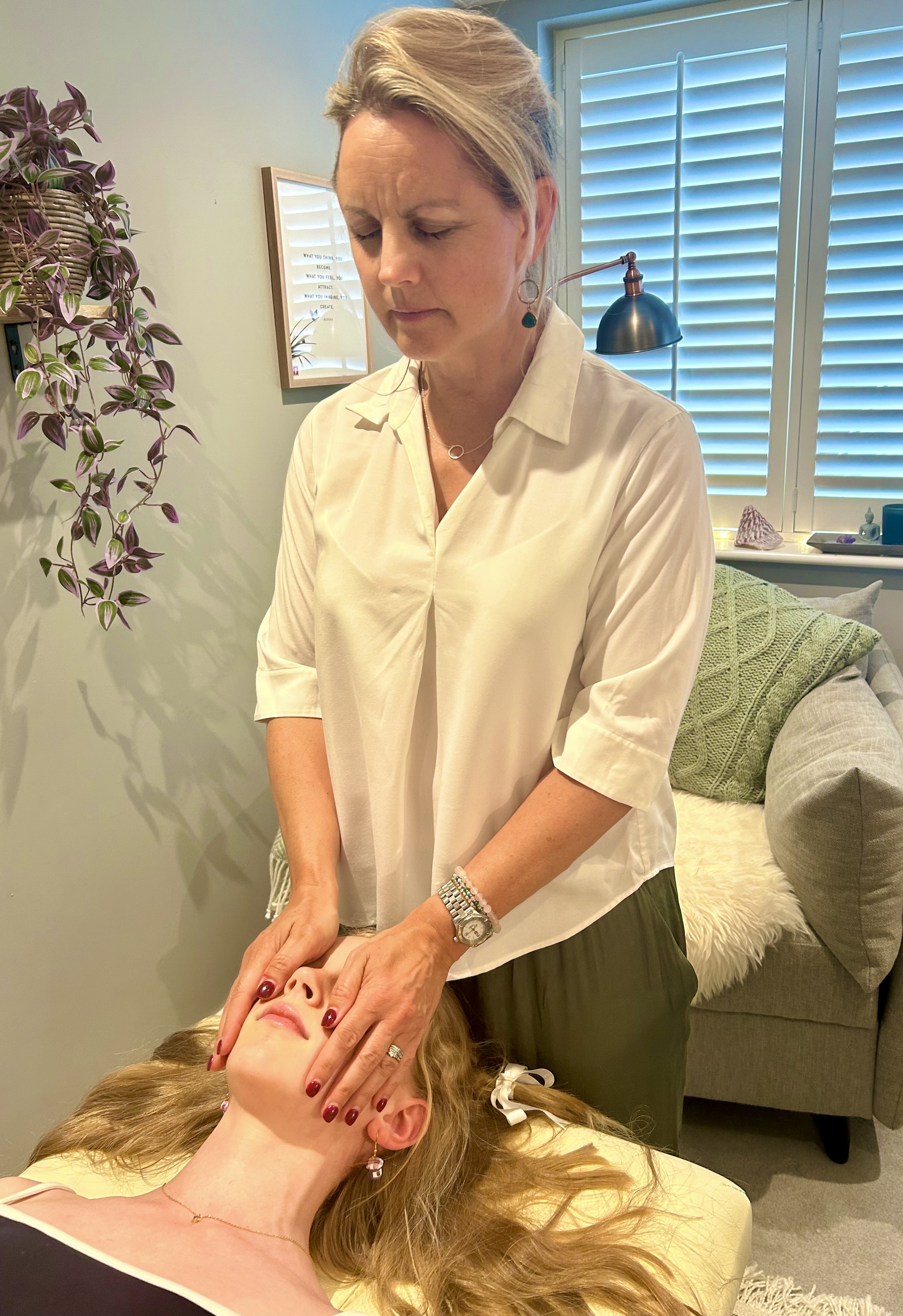
Reiki is available as an optional, complementary addition to therapeutic work — or as a standalone treatment for those who simply want to deeply rest and restore. It is not a core part of every client's journey, but for those who feel drawn to it, it can be a beautifully calming support alongside EFT or RTT work. A session lasts one hour. You lie fully clothed on a treatment table while I place my hands gently on or just above specific areas of the body, focusing on the main energy centres. There is no massage and no physical pressure whatsoever.
I often use relaxing music and essential oils to support the experience, though this is entirely your choice — sessions are always adapted to your comfort and preferences.
Most people feel a deep sense of calm during a session. Some notice warmth, a gentle tingling, or simply drift into a light, peaceful sleep. Reiki does not require any particular spiritual belief — many of my clients are entirely sceptical beforehand and simply experience it as a deeply restorative treatment that leaves them feeling calmer, lighter, and more balanced.
Because it is so gentle and non-invasive, Reiki is safe and suitable for all ages — including young children. Within my practice, I often use it as a way of helping clients feel settled and regulated before or alongside deeper therapeutic work. A calmer nervous system makes everything else more accessible.
I have spent more than 25 years working with children and young people as a teacher, dyslexia specialist, and SENDCo. This isn't a sideline — it is the heart of my work. Every technique I use with children is carefully adapted to their developmental stage, and my goal is always the same: to leave them with tools they understand, trust, and can use on their own.
For younger children I use EFT (often as a playful game), surrogate tapping, Reiki, and bespoke relaxation audios. Hypnotherapy is not used directly at this age — instead, the focus is on gentle nervous system regulation and building emotional vocabulary in ways that feel natural and fun.
From age 10, hypnotherapy sessions become appropriate alongside EFT and Reiki. Sessions are 30 minutes, structured around imagination and guided visualisation — an approach children at this age engage with naturally and enthusiastically.
Teenage sessions are 45 minutes and blend hypnotherapy, EFT, and NLP. The emphasis is on empowerment — giving young people active, independent tools to manage exam pressure, social anxiety, self-esteem, and the emotional complexity of growing up.
Reiki is safe and appropriate for all ages. It is particularly valuable for anxious children who may not yet be ready for talking-based approaches. It requires nothing from them — just the willingness to lie still and rest — and many children find it deeply soothing.
Not every child can or wants to stay still for a full 30 minutes, and that's completely fine. Sessions are always bespoke — for younger or more active children, Reiki is often combined with EFT tapping to create a session that works with their energy rather than against it.
My aim is never to create dependency on me or on any particular technique. Everything I do with children is designed to build their own internal toolkit — so they understand their emotions, know how to self-calm, and can access positive self-talk when they need it. These are skills for life, not just for the session.
Hypnotherapy is often the technique parents are most uncertain about. In practice, for children it is simply a form of focused, imaginative relaxation — very similar to the absorbed state children naturally enter during stories or creative play. Nothing is done without the child's understanding and willingness, and parents of younger children are always welcome to be present.
If you have any questions before booking — about your child specifically, about what a session looks like, or simply to get a sense of whether this feels right — please get in touch. That conversation costs nothing and is often the most helpful first step.